A Nationally Accredited Health Department Since 2017

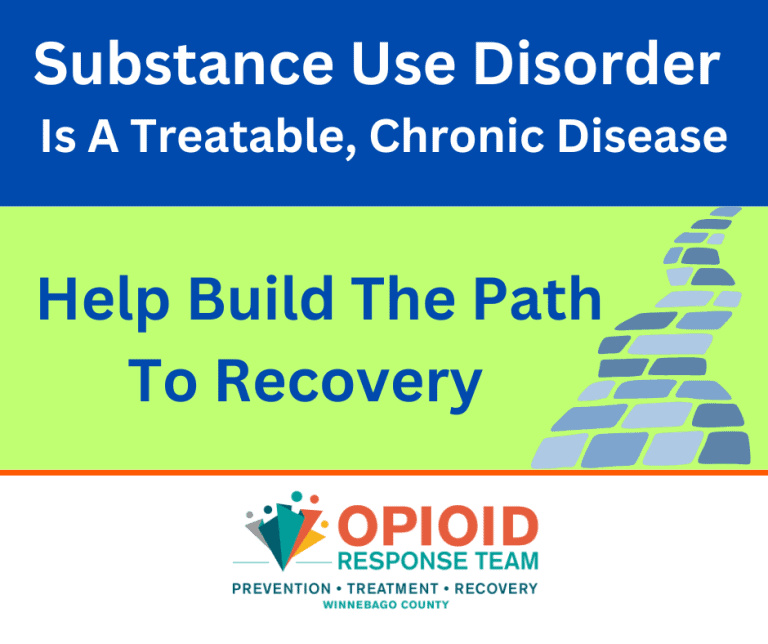
Substance Use disorder is a treatable, chronic disease

Archive – International Overdose Awareness Day & Recovery month

In recognition of International Overdose Awareness Day on Thursday, August 31 and of National Recovery Month in September, the Winnebago County Opioid Response Team (ORT) encourages our community to help build the path to recovery for those living with Substance Use Disorder.

Help Build the Path To Recovery:

  • Everyone can save a life: get trained on naloxone and have naloxone in every first aid kit
  • Encourage those who are using drugs to test for Xylazine and Fentanyl
  • Connect those with Substance Use Disorder to WCHD for help staying safer while using
  • Ask those you know with Substance Use Disorder if you can help them on their path to recovery, which may make all the difference in their recovery success
    • Make the path to recovery simple by helping with travel, appointment scheduling, etc.
    • Need help right away, call 1-833-2FindHelp. For Mental Health Services, call 988.
    • Ask those not ready for recovery to take steps toward safer use by connecting with WCHD.

For more information on services WCHD offers click here.

Share This Post

More To Explore

Extreme Heat graphic featuring a thermometer indicating a high temperature and an illustration of the sun sweating.
Health Department News

Extreme Heat

Dangerous heat is expected in Winnebago County on Monday, July 27. When heat is this extreme, the risk of severe heat illness is more likely.

Videogame style image of friends outside with a "start" button. The game is titled "HealthTrek"
Health Department News

HealthTrek

Welcome to HealthTrek, where healthy choices become power-ups, shields, and upgrades that help your child level up their health. Summer Mode is ON, so it’s the

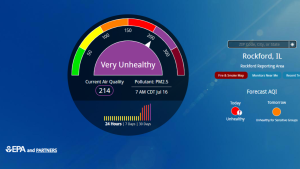
A.Q.I. from July 16, 2026 indicating that air quality in Rockford is very unhealthy
Happenings

Guidance For Unhealthy Air Quality

Poor air quality can have health impacts. People with heart or lung disease, older adults, and children are most at risk, but everyone can take